

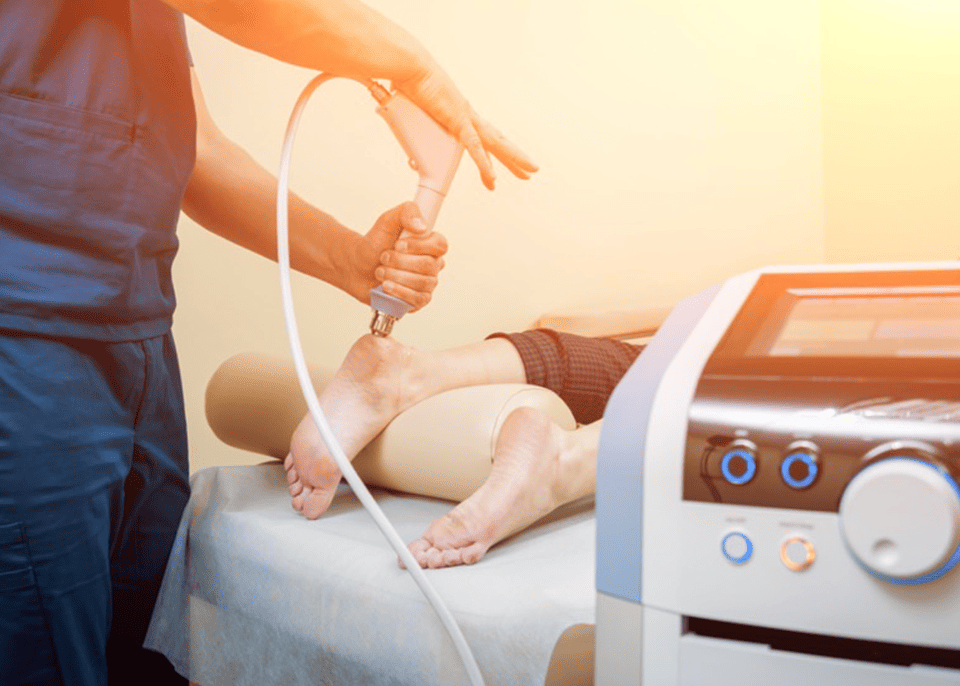
A calf strain that happened last week is one thing, but one that still tightens or aches months later is another. For active adults in Oldsmar, FL, treating chronic calf injuries can be particularly aggravating because the muscle may feel perfectly fine during everyday life—until you exert yourself. For chronic calf strains like these, Shockwave Therapy is a non-invasive way to address damaged soft tissue and encourage a stronger healing response. Rather than simply managing soreness, this method targets some of the reasons an old calf injury can be so stubborn.
1. It Targets Scar Tissue That Can Limit Normal Movement.
Muscle injuries often don’t heal neatly. After a strain, scar tissue and adhesions can develop within the injured area. This tissue may be less flexible than the surrounding muscle, potentially contributing to stiffness and making the calf more vulnerable when it’s suddenly required to generate force again.
Shockwave Therapy delivers acoustic energy into the affected tissue, helping address adhesions and encourage healthier tissue remodeling. For someone who keeps thinking, “Why does the exact same spot keep bothering me?”, this can be an important piece of the answer.
2. It Encourages Better Circulation Where Healing Has Stalled.
Chronic injuries are different from fresh ones. Months after the initial strain, the body’s active repair response may have slowed even though the tissue hasn’t completely recovered.
Shockwave Therapy stimulates increased circulation within the treatment area and can encourage the development of new blood vessels. That improved blood supply helps deliver oxygen and nutrients needed for ongoing tissue repair. Essentially, the goal is to get a stalled healing process moving again.
3. It Stimulates Collagen and Tissue Remodeling.
Your calf doesn’t merely need to stop hurting—it needs tissue capable of handling the demands you’re going to place on it. Shockwave Therapy stimulates cellular activity associated with collagen production and tissue regeneration. Over time, this may help improve the quality and resilience of previously injured tissue.
This point is particularly relevant for active adults returning to activities that repeatedly load the calf, whether that’s running, tennis, pickleball, weight training, or simply enjoying an active weekend outdoors.
4. It Can Reduce Persistent Pain Sensitivity.
What happens if the original injury has improved, but the area remains unusually sensitive? In a case like this, Shockwave Therapy can influence local pain signaling while addressing the irritated tissue itself. It could make it easier to progress with appropriate movement and rehabilitation instead of repeatedly getting stopped by the same painful spot.
5. It Doesn’t Require Putting Your Life on Hold.
One reason we like Shockwave Therapy for active patients is its practicality. It’s non-invasive and generally requires little downtime.
Depending on the injury and your provider’s recommendations, that can mean continuing appropriate activity while treatment progresses rather than abandoning movement altogether. Shockwave Therapy can also complement other parts of a recovery plan when appropriate.
Of course, persistent calf pain deserves an evaluation first. Not every painful calf is simply an old muscle strain, and some injuries may require physical therapy, medical evaluation, or another form of care.
Stop the Cycle of Injury—Call Champion Wellness Center Today
If the same calf strain keeps resurfacing every time you become active again, simply waiting for the soreness to disappear may not be enough. At Champion Wellness Center of Oldsmar, we use Shockwave Therapy to target stubborn soft-tissue problems and support the body’s natural repair process. Call us today at (813) 818-7499 to schedule a consultation and find out whether Shockwave Therapy could help you finally move beyond a chronic calf injury.