

If you have spinal stenosis, you’ve probably noticed something frustrating: standing and walking often make your symptoms worse, while sitting down or leaning forward provides relief. Unfortunately, that’s not your imagination. This condition can place pressure on nerves and sometimes even the spinal cord itself. For many people, the result is a combination of pain, numbness, tingling, weakness, or burning sensations that can interfere with daily life. Spinal decompression therapy is one of the non-invasive options that can help patients manage these symptoms. Here are answers to some of the most common questions about this condition and how to treat it.
1. What Exactly Is Spinal Stenosis?
Spinal stenosis is a condition in which the spinal canal narrows over time. This narrowing is often associated with:
- Age-related wear and tear
- Arthritis
- Bone spurs
- Bulging or degenerative discs
- Thickened spinal ligaments
As space becomes more limited, nearby nerves can compress, leading to symptoms in the back, neck, arms, or legs. Many people describe it as feeling fine when sitting but struggling to stand or walk for extended periods.
2. How Does Spinal Decompression Therapy Help?
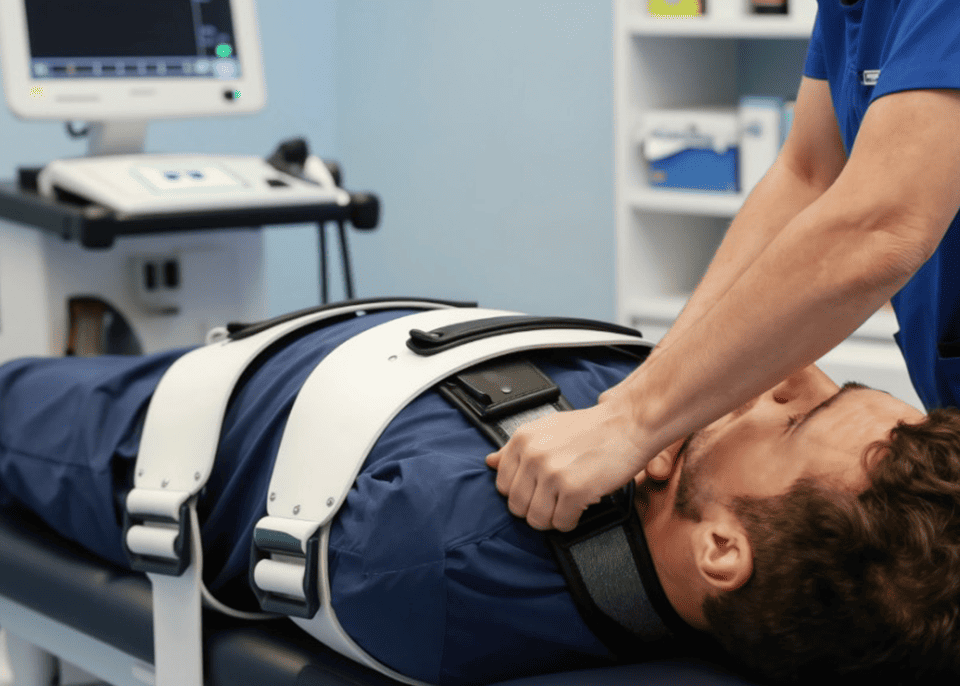
Spinal decompression therapy uses a specialized table that gently stretches the spine in a controlled manner. The goals of this therapy include:
- Reducing pressure on irritated nerves.
- Creating additional space between vertebrae.
- Improving circulation to affected tissues.
- Encouraging healthier disc function.
- Supporting the body’s natural healing processes.
Unlike aggressive stretching, decompression is carefully controlled and customized to each patient.
3. Is Spinal Decompression Painful?
Most patients are surprised by how comfortable treatment feels. Many describe the experience as a gentle pulling sensation rather than a forceful stretch. Some patients even find the sessions relaxing. And since the treatment is adjusted based on your condition and comfort level, the goal is always to reduce irritation—not create it.
4. Can Spinal Decompression Replace Surgery?
Every case is different, and some severe cases of spinal stenosis may ultimately require surgical intervention. However, many people seek spinal decompression because they want to explore conservative options first. For appropriate candidates, decompression therapy may help reduce symptoms, improve mobility, and delay or avoid more invasive procedures. That’s why a thorough evaluation is such an important first step.
5. Is Spinal Decompression Used Alone?
Usually, no! At Champion Wellness Center of Trinity, spinal decompression therapy is often part of a broader treatment plan. Depending on your needs, that may include chiropractic care, movement recommendations, posture guidance, or other therapies designed to support long-term improvement. We want to provide you with lasting relief that helps you move better and function more comfortably in daily life.
6. What Makes Early Treatment Important?
One of the biggest mistakes people make is assuming spinal stenosis is simply something they have to live with. When symptoms begin affecting your ability to walk, exercise, travel, or enjoy normal activities, it’s worth seeking an evaluation. Early intervention often provides more options and may help prevent symptoms from becoming increasingly limiting over time.
Find Out Whether Spinal Decompression Is Right for You
Living with spinal stenosis can make everyday activities feel far more difficult than they should. Fortunately, non-invasive options may be available. The caring team at Champion Wellness Center of Trinity creates personalized treatment plans around your specific condition, symptoms, and goals. If spinal stenosis is affecting your quality of life, call us today at (727) 376-9611 to schedule a consultation and learn whether spinal decompression therapy may be a good fit for you.