

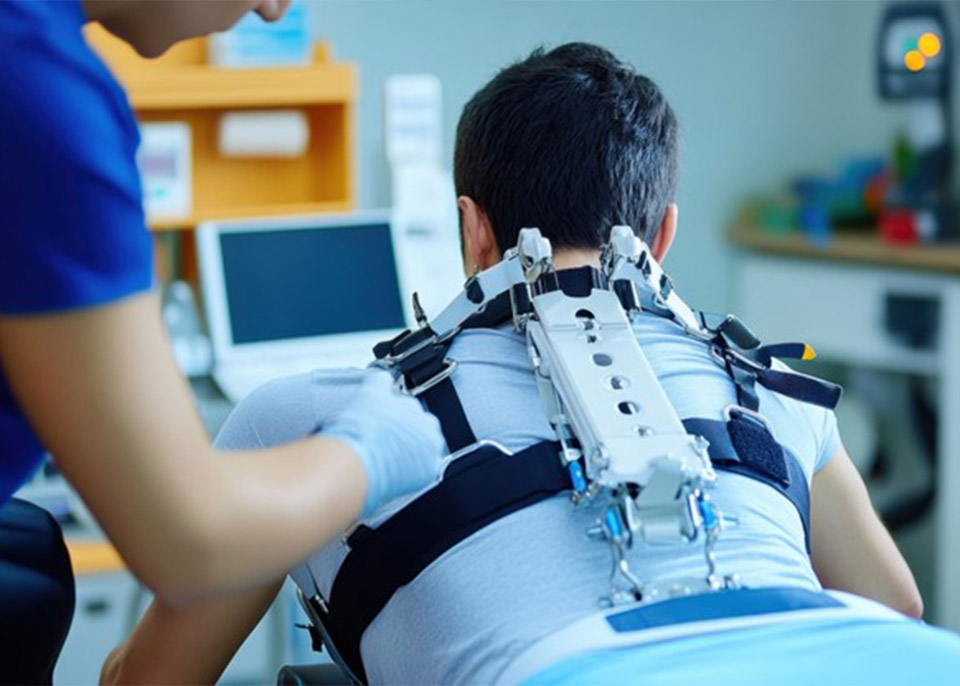
When back pain starts interfering with daily life, many people begin searching for non-surgical ways to relieve pressure on the spine. Two options that often come up are spinal decompression therapy and inversion tables. At first glance, they can sound similar. Both involve stretching the spine and are associated with relieving pressure. But the experience—and the results—are very different.
At Champion Wellness Center of Oldsmar, we use professional spinal decompression therapy because it’s designed to target the actual source of disc-related pain with far more precision and control than an inversion table can provide.
1. Spinal Decompression Is Targeted. Inversion Tables Are General.
An inversion table stretches the entire spine using gravity while you hang at an angle or upside down. That may temporarily reduce tension, but it doesn’t specifically target the injured area.
Spinal decompression therapy is much more precise. Using a specialized decompression table, treatment is adjusted based on:
- Which part of the spine is affected.
- How severe the disc pressure is.
- How your body responds during treatment.
- What type of pain or nerve symptoms you’re experiencing.
Spinal decompression’s targeted precision is especially important in treating conditions like:
- Herniated discs.
- Bulging discs.
- Sciatica.
- Chronic neck or low back pain.
2. The Pulling Mechanism Works Differently
Here’s one of the biggest differences—and one many people don’t realize. Inversion tables create a static stretch. Once you’re hanging, gravity does the work. Spinal decompression therapy, on the other hand, uses controlled pull-and-relax cycles. That rhythm matters because it helps reduce the body’s tendency to “guard” or tense up defensively. The goal is to create space within the discs so:
- Pressure on nerves decreases.
- Disc hydration improves.
- Nutrients can move back into the affected area.
As you can expect, that’s very different from simply hanging upside down and hoping the spine loosens up.
3. Inversion Tables Aren’t Ideal for Everyone
Some people actually feel worse after using inversion tables, especially if they already have certain health concerns. Because inversion places the body in a head-down position, it can increase pressure in areas that may already be sensitive. Be cautious with inversion therapy if you have any conditions involving:
- Blood pressure concerns.
- Eye pressure issues.
- Heart-related concerns.
- Balance problems.
Spinal decompression therapy avoids that issue entirely because treatment is performed in a neutral, supported position.
4. Professional Oversight Changes Everything
An inversion table at home is largely trial and error. There’s no real feedback system built into it. Spinal decompression therapy is guided by trained professionals who monitor:
- Positioning.
- Force.
- Angle.
- Patient response throughout treatment.
Expert oversight helps treatment stay focused, safe, and tailored to you. No guesswork.
5. One Is Built for Temporary Relief. The Other Is Built for Recovery.
Many people enjoy inversion tables because they feel a temporary release in tension, and there’s nothing wrong with that. But spinal decompression therapy is designed with a different goal in mind: improving the underlying mechanics contributing to disc-related pain.
At Champion Wellness Center of Oldsmar, decompression therapy is often combined with chiropractic care and movement-based strategies to support longer-term improvement—not just short-term relief.
Looking for Real Relief From Disc or Nerve Pain? Call Us Today
If you’ve been considering an inversion table but want a more targeted, professionally guided approach, spinal decompression therapy may be a better fit. Champion Wellness Center of Oldsmar helps patients find non-surgical solutions for chronic back and neck pain every day. Call us today at (813) 818-7499 to schedule your consultation and learn whether spinal decompression therapy is right for you.