

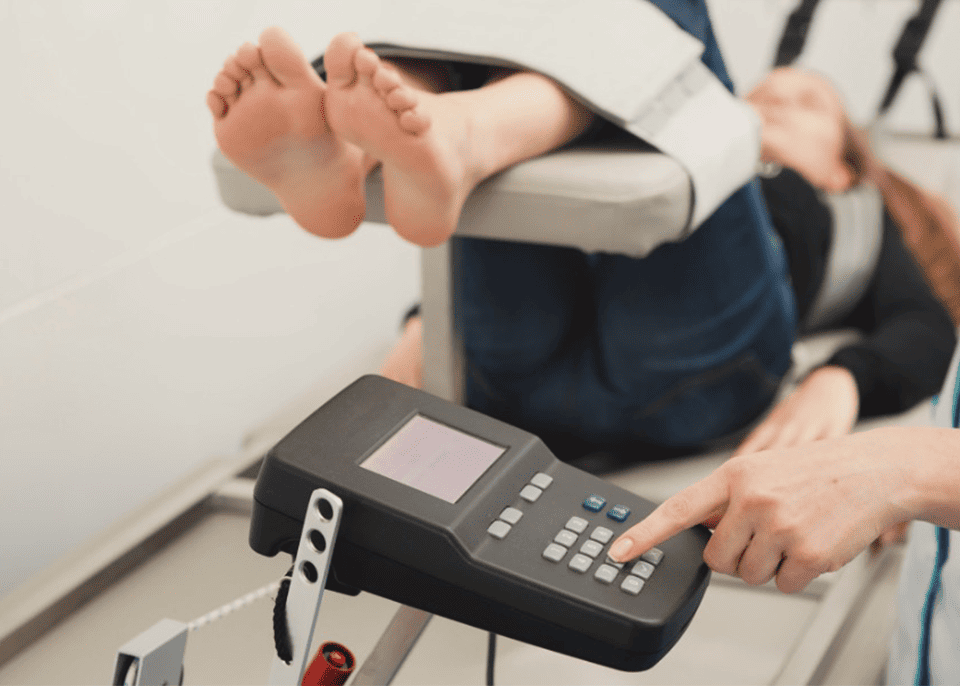
Is back or neck pain changing your routine? You stop bending a certain way. Long drives become something you dread. Maybe you automatically scan every room for the chair that looks easiest to get out of. If you’ve noticed you carry your body a certain way or avoid long drives due to pain, spinal decompression therapy in Brandon may be worth exploring. This non-invasive treatment uses controlled, gentle stretching to create space between vertebrae, helping relieve pressure on spinal discs and nerves while supporting the body’s natural healing process.
So, what does spinal decompression actually treat? Let’s look at some of the most common conditions.
1. Lower Back Pain
Lower back pain is actually a symptom, not a single diagnosis. Disc compression, joint problems, nerve irritation, and other mechanical issues can all contribute.
When spinal pressure is part of the problem, decompression therapy can gently stretch the lumbar spine to reduce compression and encourage better movement. The important part is determining why your back hurts before deciding how to treat it.
2. Neck Pain
Your neck carries a surprisingly demanding workload. Hours spent looking at laptops and phones can add to existing spinal problems, while injuries and degenerative changes can create additional discomfort. Cervical decompression targets the neck specifically, creating gentle separation between vertebrae to reduce pressure that may be contributing to pain, stiffness, or nerve irritation.
3. Sciatica
Sciatica can produce pain that travels from the lower back into the buttock and leg, sometimes accompanied by numbness, tingling, or weakness. Because sciatic symptoms often involve compression or irritation of spinal nerve roots, decompression may help by creating additional space around the affected area. For some patients, that can mean addressing the source of the irritation rather than simply chasing the pain down the leg.
4. Bulging or Herniated Discs
Spinal discs serve as “cushions” between your vertebrae. When one bulges or herniates, nearby nerves can become irritated or compressed. Spinal decompression uses carefully controlled traction to reduce pressure within the affected area. The process may help encourage disc material away from irritated nerves while improving the movement of water and nutrients into the disc.
5. Degenerative Disc Disease
Despite its name, degenerative disc disease generally describes age- or wear-related changes in spinal discs. As discs lose hydration and height, the spine may become stiffer and less comfortable. Decompression therapy may help reduce pressure on affected discs while supporting mobility and disc hydration. Treatment doesn’t reverse aging, but it can be part of a conservative strategy for managing its mechanical effects.
What Else Can Spinal Decompression Address?
Depending on what’s causing your symptoms, spinal decompression may also be considered for:
- Worn spinal joints, including problems involving the facet joints.
- Spinal neuropathy or nerve pain associated with nerve compression.
- Radiating arm or leg discomfort connected to spinal nerve irritation.
- Persistent spinal stiffness when compression contributes to limited movement.
Not every case of back, neck, or nerve pain calls for decompression. Some conditions may respond better to corrective chiropractic care, physical therapy, another treatment, or a combination of approaches. A proper evaluation comes first.
Take Some Pressure Off Your Spine—Call Champion Wellness Today
Planning your life around spinal pain can become such a habit that you forget how many little compromises you’ve made because of it. At Champion Wellness Center of Brandon, we take a personalized approach to determining what’s contributing to your discomfort and whether spinal decompression therapy belongs in your care plan.
Call us today in East Brandon at (813) 409-3304 or West Brandon at (813) 438-6348 to schedule a consultation and find out whether non-surgical spinal decompression could help you move more comfortably again.